
The bell on a Crown arcade machine used to ring loud enough to cut through a Friday arvo crowd, and that same sharp cadence is what many Australians still expect when they spin a digital reel. Years spent shaping floor strategy across Aristocrat, Ainsworth and Crown taught me that players notice rhythm long before they notice features. Hit frequency in online pokies is simply the rate at which a game delivers any kind of winning combination, and understanding that cadence is the difference between a session that feels like a measured evening and one that burns through a deposit before the kitchen lights come on.
Reading the reel cadence without the marketing gloss
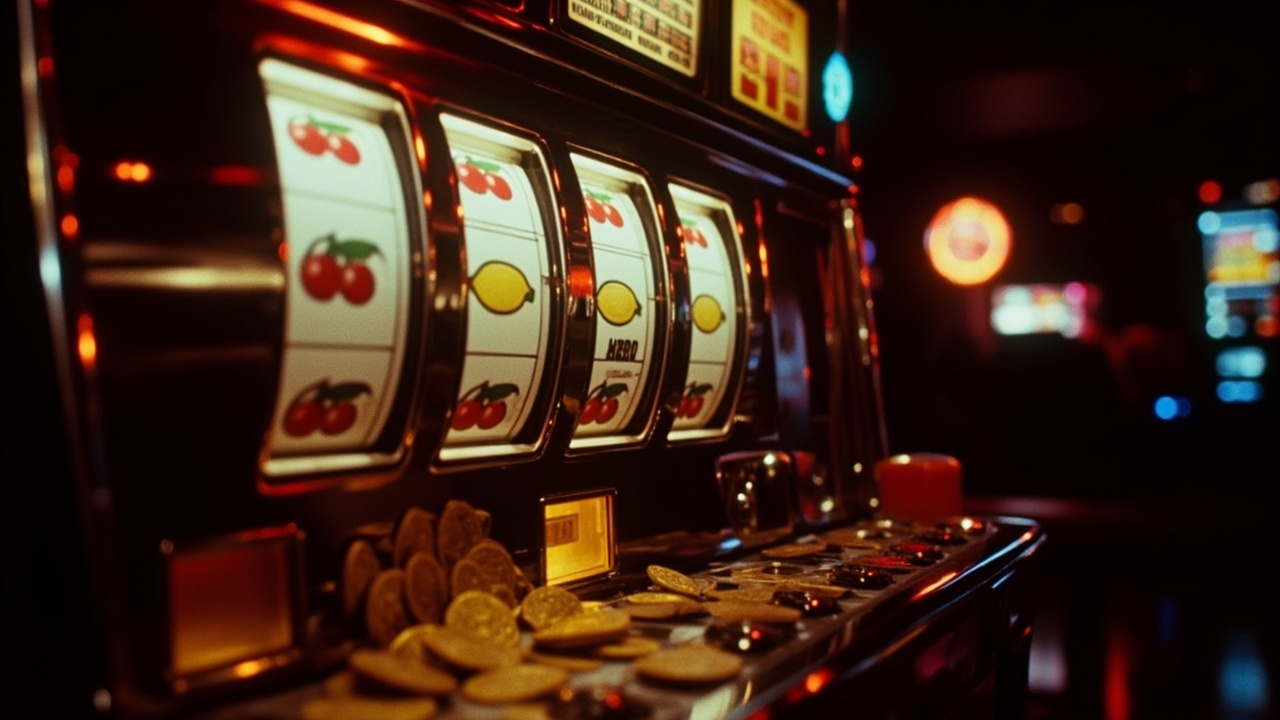
Hit frequency in online pokies is not the same as payout size, and confusing the two is how a bankroll thins out quietly. A game can land a win on roughly one in four spins and still return very little on each hit, while another might pay far less often but hand back a meaningful chunk when it does. I have sat through enough product briefings at TCS John Huxley and SenSen to know that developers tune this cadence deliberately, balancing volatility, bonus triggers and the visual feedback that keeps a player engaged without overpromising. When you are weighing a title, look for the stated hit rate alongside the volatility profile rather than chasing a single number in isolation. The gates of olympus 4k title is a decent example of a game where the scatter-driven bonus structure means the raw spin-by-spin cadence tells only part of the story, so compare the frequency figure against how the free spins and multipliers actually behave before you commit a session budget.
Victoria introduced pokies in clubs and pubs in the early 1990s, and that pub-and-RSL rhythm still shapes how many Australians think about machine pacing. Back then, the cadence was physical and communal, and the same expectation carries over when people move online. The key difference is that a digital floor lets you see the cadence in the maths rather than in the noise around you, which is why reading the game information page matters more than it did on a crowded club floor.
How the cadence translates into a real session
What the number is actually telling you
A hit frequency figure is best read as a pacing guide, not a promise. If a pokie lands wins on roughly a quarter of spins, you should expect a fair amount of small returns punctuating longer quiet stretches, and that pattern is exactly what keeps a session feeling active without inflating expectations. I have always judged these figures the way I would judge a floor layout in Macau: by how the pacing holds up over a full session, not by the first ten minutes. A game that pays often but in tiny amounts can feel busy while quietly eroding a stake, so the sensible read is to pair the frequency with the average return per hit and the bonus trigger rate rather than treating any single metric as a verdict.
Where the cadence sits in the bonus mechanics
Online pokies layer bonus mechanics on top of the base cadence, and that is where the real session experience diverges from the headline number. Free spins, retriggers and scatter pays can compress or stretch the effective rhythm during a feature, which is why a game’s advertised hit rate and its in-feature behaviour need to be read together. Andrew Green, Board Member, Oceanic Gaming Strategy, has put it plainly: “Players who focus on cadence alone tend to misread features; the useful read is how often a game gets you into a bonus and how long that bonus tends to run.” That caveat matters because a high base frequency with a rare or short bonus can feel less rewarding than a slower base game that regularly hands you a meaningful feature window.
How to read it for your own bankroll
The practical read is to treat hit frequency as a budgeting signal. If you prefer sessions where the reels keep returning something often enough to stay engaged, a higher cadence with smaller per-hit returns may suit you, provided you set a loss limit that matches the pace. If you are willing to sit through longer dry spells in exchange for less frequent but larger feature payouts, a lower cadence with higher volatility is the more honest fit. Either way, the discipline is the same: decide the session length and stake before you spin, then let the cadence inform how you pace the remaining balance rather than tempting you to chase a quiet run.
Finding the cadence that fits your play style
For players who want a steadier rhythm and a clearer sense of where the session is heading, a higher hit frequency in online pokies usually feels more comfortable, especially if you are playing shorter sessions after work or on a quiet arvo. The trade-off is that the per-hit returns tend to be smaller, so the sensible approach is to keep stakes modest and treat the frequent small wins as session keepers rather than bankroll builders. For players who are comfortable with longer quiet stretches and would rather wait for a feature to do the heavy lifting, a lower cadence with higher volatility is the better match, but it demands a bankroll sized for the dry spells as much as for the wins. The middle ground is a balanced title where the base cadence and the bonus trigger rate sit close enough together that neither the pace nor the feature potential dominates the session, which is often the most sustainable choice for regular play.
Payments, verification and the practical edges
When you move from reading the cadence to actually funding a session, the payment flow matters as much as the maths. Australian-facing operators typically support AUD as the base currency, with card, e-wallet and instant-transfer options forming the standard cashier mix, and the sensible expectation is that deposits reflect immediately while withdrawals pass through a verification step before they clear. I have seen too many sessions derailed by players who ignored the verification queue and then wondered why a withdrawal stalled, so the practical habit is to complete identity checks before your first deposit rather than after. Processing times and limits vary by method, and the measured approach is to treat the cashier as part of the session plan: know the minimum, know the processing window, and never size a stake around a withdrawal you have not confirmed is on its way. Responsible play and clear account checks are the ordinary expectation here, not an optional extra.
Closing read
Hit frequency in online pokies is a pacing tool, and the players who use it well are the ones who match the cadence to their bankroll, their session length and their tolerance for quiet stretches. Read the frequency alongside volatility and bonus behaviour, complete your verification before you fund the account, and let the maths set your expectations rather than the marketing around the reels. Walkley
When the reels quiet down, discipline matters more than hope, so look for a clear breakdown of RTP and variance on a trusted independent gaming guide. That extra layer of research helps you separate promotional noise from actual gameplay mechanics before you commit any funds. Ultimately, treating the game as a measured expense rather than a guaranteed return keeps the session enjoyable even when the volatility spikes.