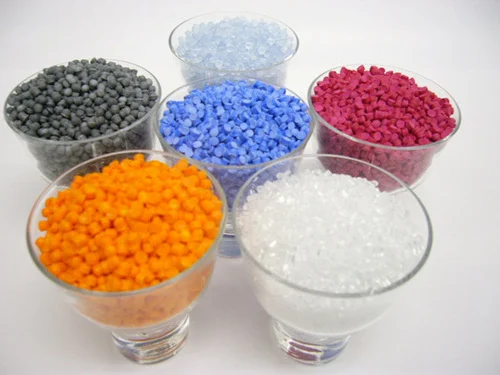
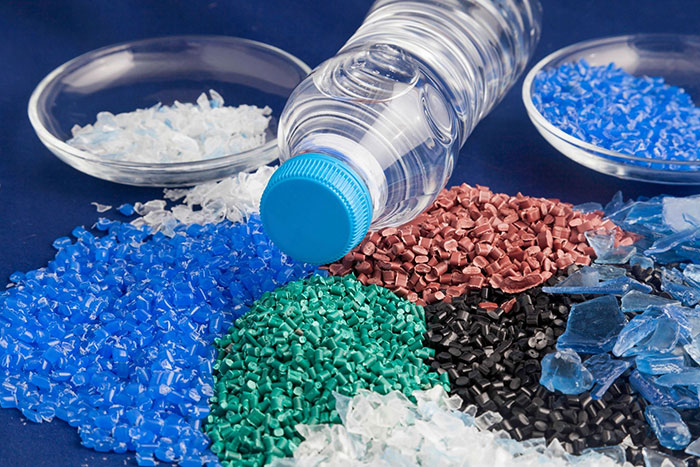
We make it a priority to study and understand the specific needs of the manufacturers, allowing us to provide them with the most suitable, high-quality materials that align with their production demands and industry standards. Products that we provide to manufacturers are
PVC RESIN
PVC SHEETS
PVC PASTE
DOTP
DOP
DINP
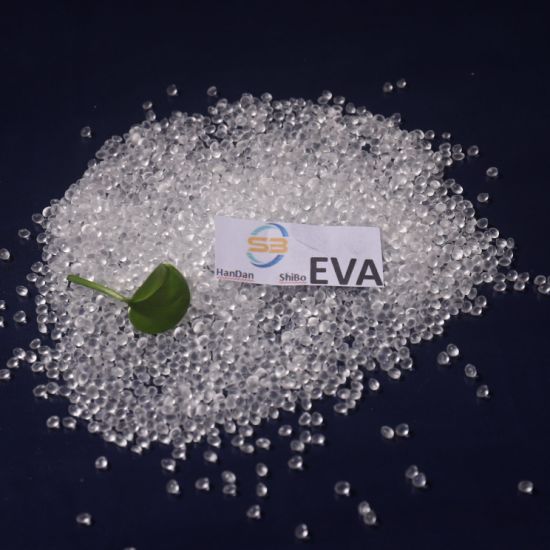
EVA
HDPE
CPVC RESIN & COMPOUNDS
Product range: We take pride in providing a diverse and curated selection of high-quality PVC products, tailored to meet the specific requirements of manufacturers. Our commitment to excellence ensures that each product in our extensive range is designed to deliver good performance, durability, catering to the unique needs of various industries. We strive to be the trusted partner that manufacturers rely on for superior PVC solutions, productivity, and overall operational success.
global relationships
Top countries
Japan
Korea
China
Indonesia
Thailand
Taiwan
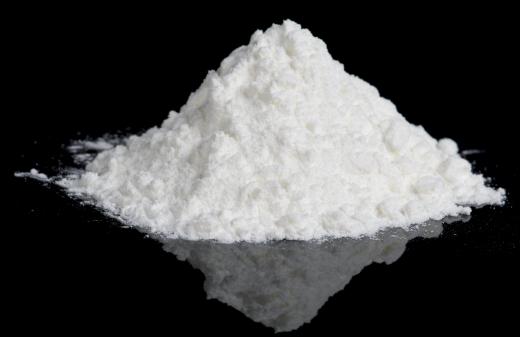
PVC Resin
Polyvinyl Chloride, commonly abbreviated PVC, is a thermoplastic polymer. It is a vinyl polymer constructed of repeating vinyl groups (ethenyls) having one hydrogen replaced by chloride. Polyvinyl chloride is the third most widely produced plastic, after polyethylene and polypropylene.
PVC is widely used in construction because it is very inexpensive, durable, and easily worked. PVC production is expected to exceed 40 million tons by 2016. According to IUPAC, polyvinyl chloride should be named poly (chloroethanediyl), but this name found no widespread use.
It can be made softer and more flexible by the addition of plasticizers, the most widely used being phthalates. In this form, it is used in clothing and upholstery, electrical cable insulation, inflatable products and many applications in which it replaces rubber.
Ethylene Vinyl Acetate (EVA)
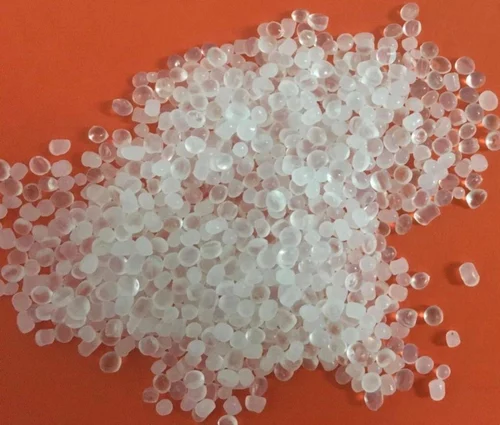
Ethylene-vinyl acetate (EVA), also known as poly (ethylene-vinyl acetate) (PEVA), is the copolymer of ethylene and vinyl acetate. The weight percent vinyl acetate usually varies from 10 to 40%, with the remainder being ethylene.
Broadly speaking, there are three different types of EVA copolymer, which differ in the vinyl acetate (VA) content and the way the materials are used.
The EVA copolymer which is based on a low proportion of VA (approximately up to 4%) may be referred to as vinyl acetate modified polyethylene. It is a copolymer and is processed as a thermoplastics material – just like low density polyethylene. It has some of the properties of a low density polyethylene but increased gloss (useful for film), softness and flexibility. The material is generally considered as non-toxic.
Polypropylene
Polypropylene (PP), also known as polypropene, is a thermoplastic polymer used in a wide variety of applications. It is produced via chain-growth polymerization from the monomer propylene. Polypropylene belongs to the group of polyolefins and is partially crystalline and non-polar. Its properties are similar to polyethylene, but it is slightly harder and more heat resistant. It is a white, mechanically rugged material and has a high chemical resistance. (1) Polypropylene is the second-most widely produced commodity plastic (after polyethylene) and it is often used in packaging and labeling.
CPVC Resin & Compounds
Chlorinated polyvinyl chloride (CPVC) is a thermoplastic produced by chlorination of polyvinyl chloride (PVC) resin, which is significantly more flexible and can withstand higher temperatures than standard PVC.
CPVC was first commercialized by Lubrizol in the early 1960s and has since proven its value in a variety of industrial applications where high use temperature and corrosion resistance are desirable.
The main difference between CPVC and PVC is the range of temperatures each is capable of withstanding. CPVC can handle temperatures up to 200° Fahrenheit, while PVC peaks at 140° Fahrenheit.
PVC PIPES
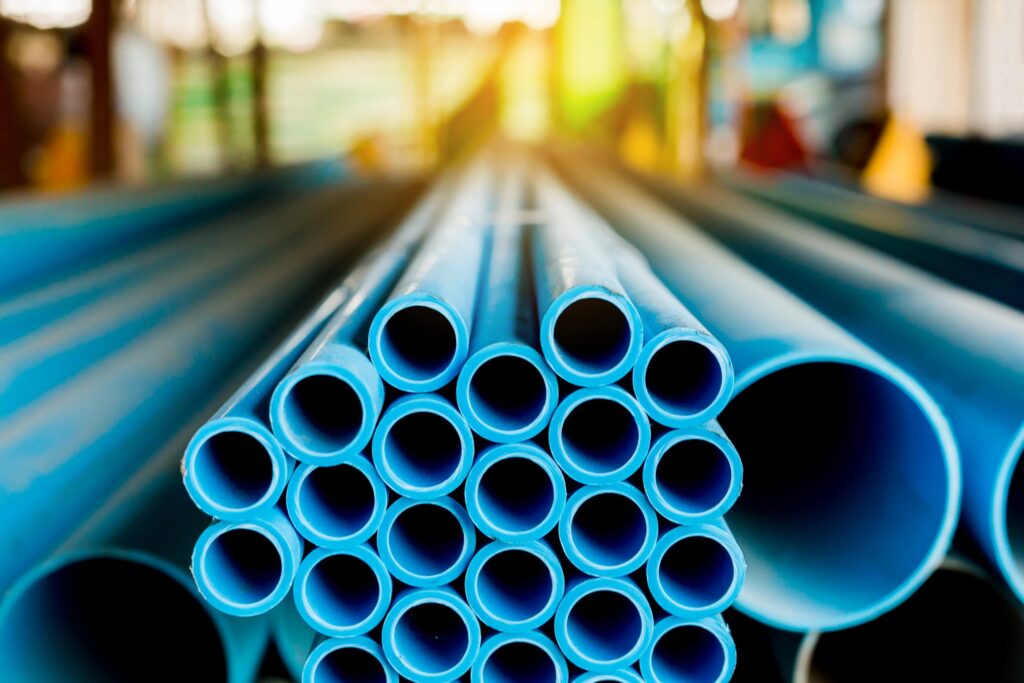
The PVC pipes are used in both commercial and residential sectors. The application of the PVC pipes includes their use in plumbing, sewage and drainage systems, drinking water distribution, irrigation systems, chemical handling, fume, exhaust and ventilation ducts, and recreation purposes.PVC pipes are inherently strong, lightweight, flexible, easy to handle and economic. Along with all these qualities, their long-lifespan and recyclability make them the prime economic option for residential as well as commercial building construction projects.